
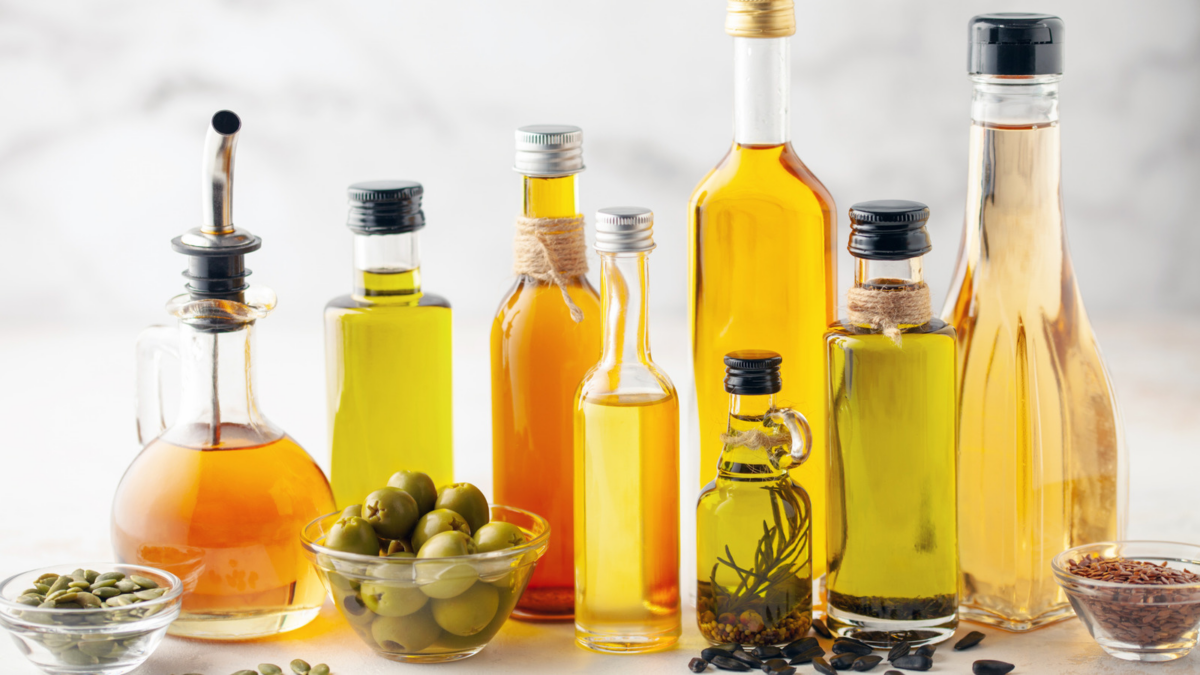

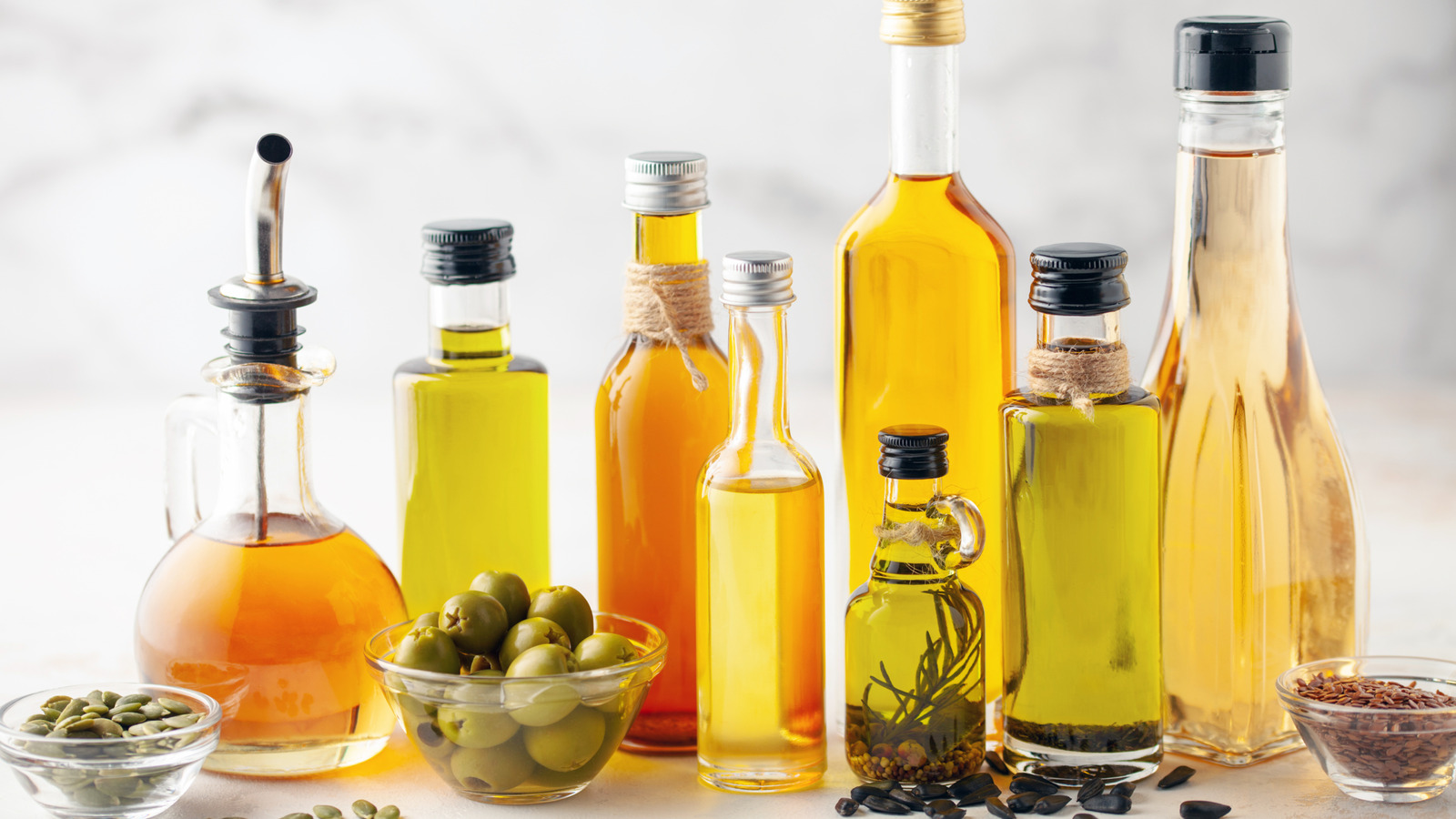
In the last few years, cooking fats have been at the center of many online debates. Social media trends push certain oils, health advice keeps changing, and it can be hard to know which fat is best for your kitchen. Some oils are praised while others get a bad reputation, and even scientific opinions can seem conflicting. Meanwhile, many chefs and home cooks keep using the fats they know and love, prioritizing taste and how the fat works over trends. From pantry staples like corn and coconut oil to classic animal fats like lard, beef tallow which make amazing beef tallow french fries, and even duck fat, each has a unique role in cooking. Whether you’re making avocado oil frozen fries or searing a steak, choosing the right fat can make a big difference. To help clear the confusion, we asked chefs August Ench from Auguste Escoffier School of Culinary Arts in Austin, and Donald (Don) Doubek, Culinary Advisor at Cargill, for their advice on cooking fats.
Here’s a simple guide to the most popular fats, how to use them, and what makes each special.
1. Popular Fats for Everyday Cooking
Butter
Butter is beloved by chefs and home cooks alike. Chef Marco Pierre White even says it is essential for making food taste amazing. There are many types of butter—salted, unsalted, cultured, whipped, ghee, compound, and plant-based—but not all are the same. Use expensive European butter for spreading on bread, but for cooking at higher heat, clarified butter is best as it doesn’t burn as easily. Chef August recommends clarified butter for seafood, and Chef Don calls whole butter a “one-stop shop” for most dishes.
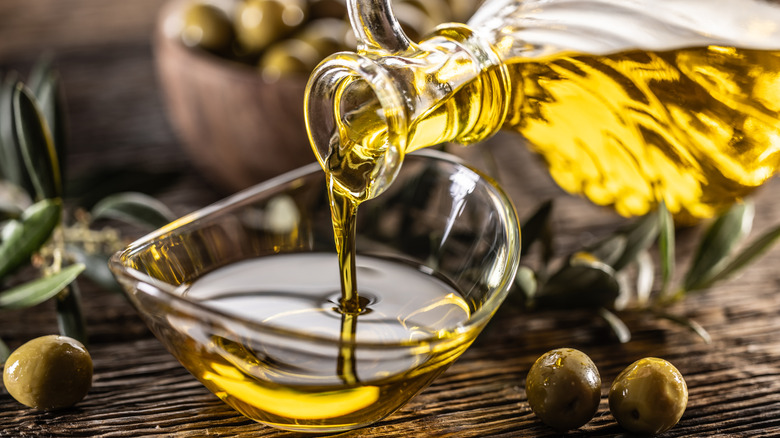
Extra-Virgin Olive Oil
Extra-virgin olive oil is a versatile, flavorful oil with tasting notes that can be fruity, spicy, or grassy. It works well for roasting, sautéing, frying, and finishing dishes. For cooking, you can use a more affordable olive oil, while saving the high-end bottles for drizzling at the end. Chef August notes that olive oil can handle almost any cooking method, and Chef Don adds that it adds aroma and shine to grilled vegetables and meats.
Avocado Oil
Avocado oil is perfect for high-heat cooking due to its high smoke point—refined avocado oil can handle temperatures up to 518°F. This makes it ideal for searing meats or frying avocado oil frozen fries. Chef August recommends it when you want a neutral oil that won’t overpower the flavor of lighter proteins like chicken, and Chef Don agrees it’s great for searing and adding subtle complexity. Avocado oil is versatile and a must-have in any pantry.
2. Classic and Specialty Fats
Beef Tallow
Beef tallow is rendered fat from beef trimmings and is solid at room temperature. It melts when heated, giving dishes a rich, umami flavor. It’s great for deep frying, searing, and pairing with bold meats. Chef August notes tallow holds up well for long cooking or repetitive frying, while Chef Don adds it enhances the flavor of meats and Maillard reactions.
Duck Fat
Duck fat is known for making fried foods taste extra special. It’s harder to find but worth the effort for its rich flavor. Use it for shallow or deep frying, or in slow braises to add body and aroma. Chef Don notes that duck fat, olive oil, and butter all bring roundness and richness to sauces.
Schmaltz (Chicken Fat)
Schmaltz is rendered chicken fat, naturally flavorful and perfect for poultry dishes, stews, or roasted vegetables. Chef Don says it acts as a flavor amplifier, enhancing dishes without overpowering them. Chef August recommends it for slow-cooked meals like goulash, pairing well with other ingredients for a rich taste.
Lard
Lard may not sound trendy, but it’s widely used in traditional cuisines like Mexican, Italian, and Southern cooking. It works for savory dishes, baked goods, and tortillas. Chef Don notes that lard adds depth without overpowering flavors and is essential for authentic regional recipes.
Bacon Grease
Bacon fat is a flavorful and easy-to-use fat. Strain it before storing to remove solids, then keep in the fridge. It works well for grilled cheese, hearty meats, and adding richness to dishes. Chef Don suggests pairing bacon fat with strong flavors, like game meats, to enhance their taste.
Coconut Oil
Coconut oil is often used as a vegan substitute for butter or lard, especially in pastries like pies and biscuits. It has a distinct flavor that complements curries and tropical dishes. Chef August notes it’s good for those seeking plant-based alternatives, though it has a lower smoke point, so avoid high-heat cooking.
Toasted Sesame Oil
Toasted sesame oil has a strong, nutty flavor and is best used sparingly. It shines when drizzled over dishes at the end, adding aroma to Asian cuisines. Chef August recommends using it as a finishing oil rather than for cooking at high heat.
Neutral Refined Vegetable Oils
Neutral oils like canola, sunflower, corn, and grapeseed are everyday workhorses. They have high smoke points, are affordable, and can be used for deep frying, sautéing, and salad dressings. Chef Don suggests mixing vegetable oils with olive oil in dressings to balance flavor and cost.
Cooking fats aren’t just a functional ingredient—they shape flavor, texture, and aroma in every dish. The key is understanding their strengths and using them thoughtfully. Whether it’s searing chicken with avocado oil, roasting vegetables in olive oil, or frying avocado oil frozen fries, the right fat can transform your cooking from good to great.
