
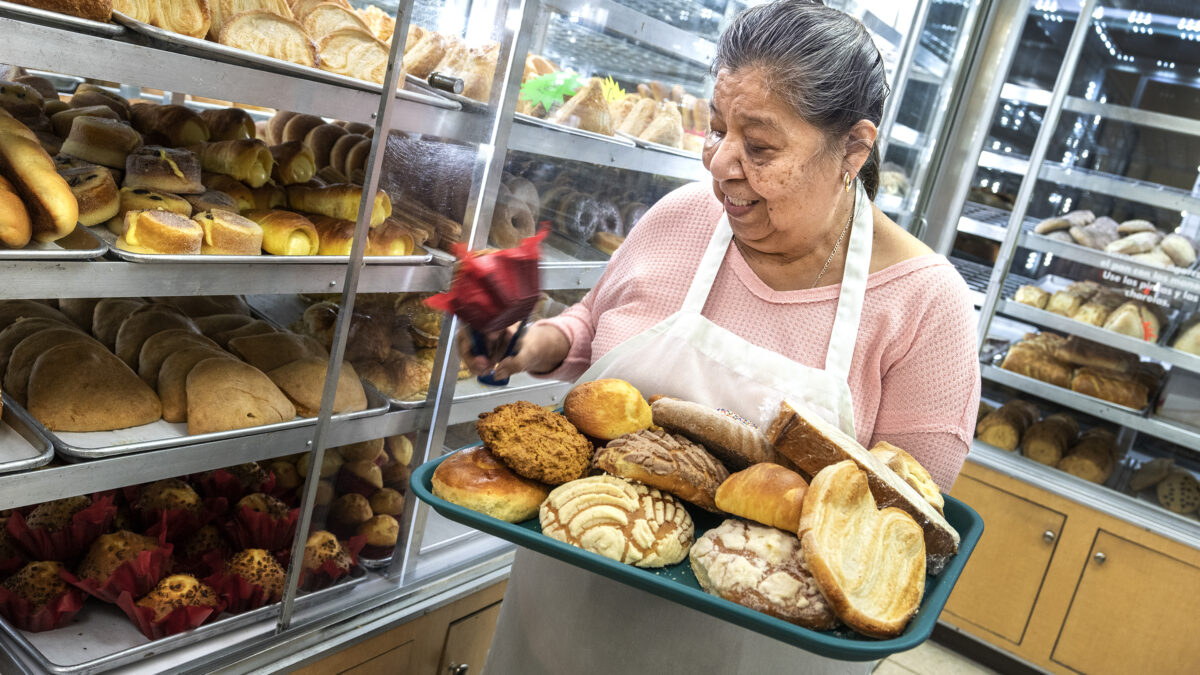

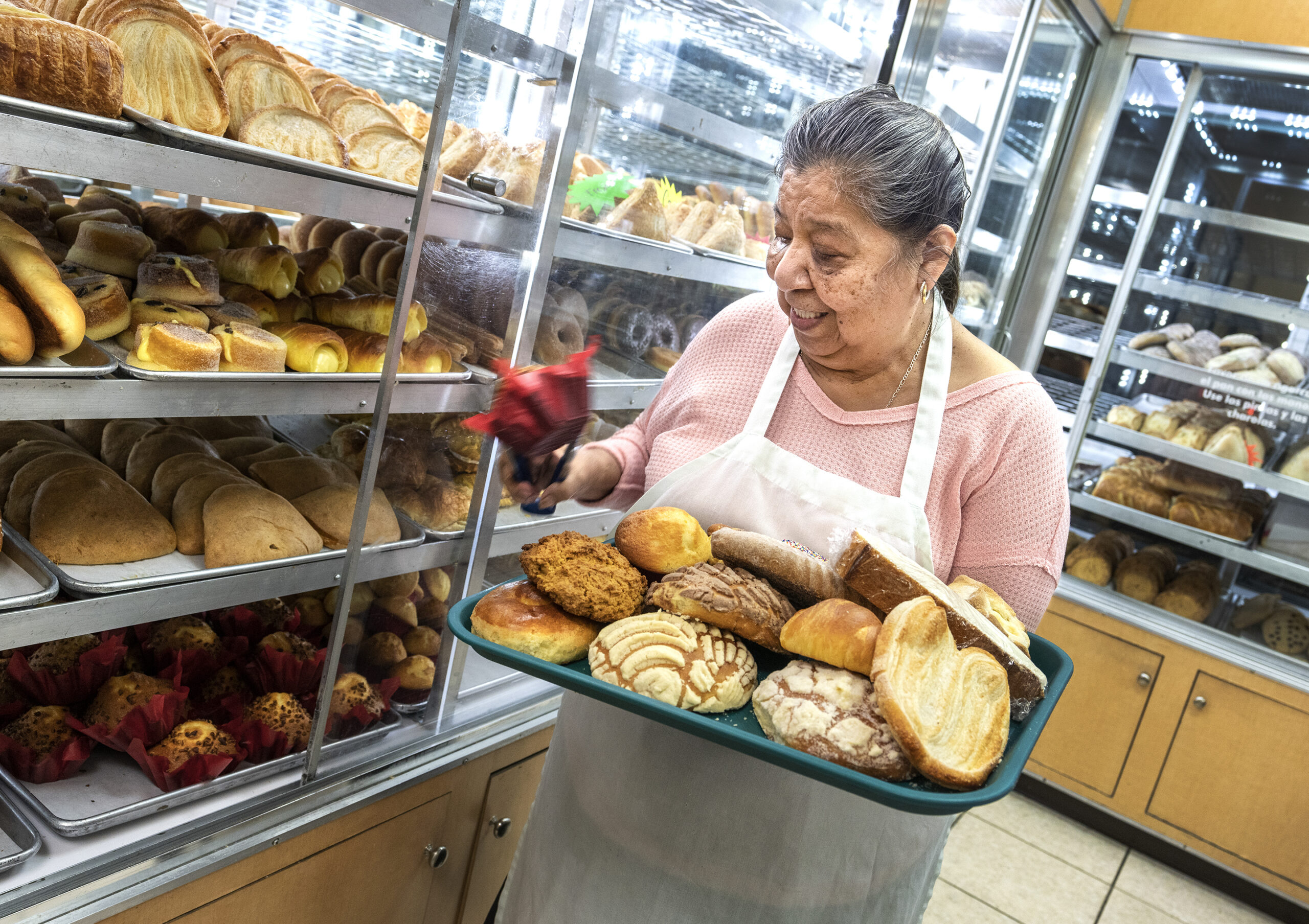
Pan dulce perfection emerges from accumulated craft knowledge that no standardised production process replicates across equivalent variety and quality. Every item appearing on the Panaderia Lara Menu reflects preparation traditions developed across generations of panadero expertise, including dough handling, topping application, fermentation timing, and baking technique, each contributing separately to results that commercial bakery equivalents approach without matching. Knowing what authentic pan dulce perfection actually involves clarifies why neighbourhood panaderías producing genuine traditional varieties occupy a distinct quality category above mass-produced Mexican sweet bread alternatives.
Dough quality determines
Pan dulce quality begins with dough development that experienced panaderos assess through tactile judgment rather than mechanical measurement alone. A soft crumb texture can only be achieved when lard, eggs, and piloncillo are combined with specific water levels and kneading times. No dense heaviness or structural weakness results from mechanical mixing. Another critical dough quality variable is how experienced bakers manage fermentation timing. In order for the dough to reach fermentation, temperature, humidity, and ingredient temperature must coincide to yield optimal baking results.
The topping application requires
Pan dulce toppings distinguish authentic panadería production from commercial alternatives most visibly, with characteristic concha patterns, sugar glazes, and crumb toppings each requiring application skill that mechanised production systems replicate inadequately. The composition of concha sugar paste, flour, fat, sugar, and flavouring, combined in specific ratios, determines whether the characteristic crackled shell pattern develops correctly during baking or produces flat, solid topping coverage without the distinctive texture that makes authentic conchas immediately recognisable. Paste consistency assessment before application, coverage thickness calibration across each roll surface, and pattern scoring depth each represent skill variables that experienced panaderos develop through repeated daily production rather than following fixed parameter specifications that remove tactile judgment from critical application decisions.
Variety balance across production
Authentic panadería production maintains a variety balance across daily output that gives customers a genuine selection depth rather than a narrow category concentration that reduces discovery opportunity for regular visitors. Four variety categories that balanced pan dulce production are maintained across daily bakery output:
- Enriched yeast breads, conchas, cuernos, and bolillos dulces, representing the primary pan dulce category, require dough fermentation management that dominates daily production scheduling across traditional panadería operations
- Shortbread and cookie varieties, polvorones, galletas, and similar lard-based short dough items, offering texture contrast within selections where yeast-risen varieties dominate, requiring different fat incorporation techniques and baking temperature management
- Laminated and fried varieties of orejas from laminated puff pastry and churros or buñuelos from fried dough, providing crisp texture options distinct from baked alternatives across the full selection range
- Occasion-specific seasonal production pan de muerto, rosca de reyes, and holiday varieties appearing within production schedules during relevant cultural calendar periods, requiring traditional recipe knowledge and decorative skill that year-round standard production maintains separately from daily variety output
Oven management affects
Traditional pan dulce baking requires oven management expertise that produces consistent results across varied dough types sharing the same production environment. Different pan dulce varieties carry different optimal baking temperatures, surface browning requirements, and internal doneness indicators that, simultaneously, production of multiple variety types across shared oven space requires careful scheduling to manage without compromising individual variety quality through inappropriate temperature exposure. Authentic panaderías producing daily fresh output develop oven scheduling routines that sequence a variety of types according to temperature requirements, ensuring that delicate concha topping development occurs under appropriate heat conditions while denser enriched breads receive sufficient internal temperature for complete baking without surface over-browning that rushed oven temperature management produces.
A genuine neighbourhood bakery’s commitment to quality pan dulce requires them to work together across every aspect of the production cycle that they go through on a daily basis.
