
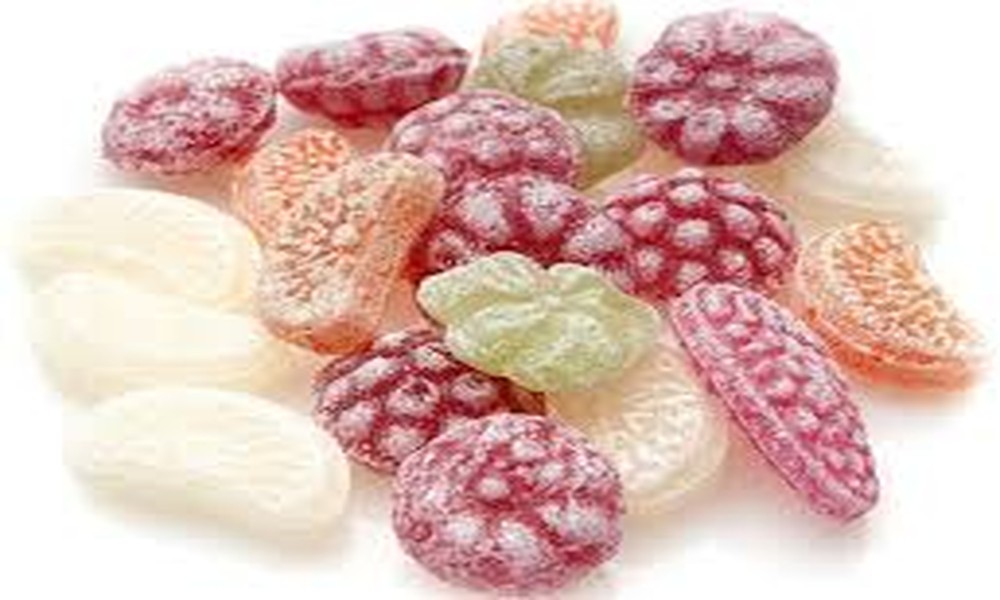

Spend time eating german candies alongside varieties from other countries, and something becomes apparent fairly quickly. The chew is different. Not wildly, not in a way that demands immediate analysis, but different enough that once noticed, it is hard to stop noticing. Whether that difference amounts to softer is a more layered question than it first appears.
Chewable confectionery texture is not a single thing. The first bite, how it responds to the chewing process, whether it softens with warm temperatures, and the way it finishes are all considered. German chew confectionery tends to follow a particular path across all of these measures, one that stands out in ways that lead to the conclusion that it is produced deliberately rather than by accident.
What drives softness in German chew?
Gelatin concentration is the single most direct variable. Higher concentrations push toward firm, resistant textures that hold shape aggressively under pressure. Lower ones allow more immediate yield. German gummy production has historically leaned toward formulations that sit closer to the yielding end without sacrificing structure entirely, which produces the quality most people are reaching for when they describe German chews as softer.
Beyond gelatin, glucose syrup type and concentration shape the finished result considerably:
- Moderate glucose levels balanced against other sugar components contribute to the yielding quality that shows up consistently across German chew formats.
- Higher glucose concentrations, more common in American production, push density upward and create the firmer resistance associated with those products.
- Starch layering on the outer surface of certain German varieties adds brief initial resistance that gives way almost immediately, producing a two-stage experience rather than uniform firmness throughout.
Processing conditions matter here too, and they rarely appear on ingredient lists. Slower cooling produces a different structure in the sugar matrix, and temperature-controlled German production facilities have maintained this at scale long enough for it to become characteristic of the output rather than an occasional quality variation.
What ingredients shape the difference?
Flavouring and moisture retention
Natural fruit concentrates behave differently over time than synthetic flavouring. Compared with synthetic equivalents, natural concentrates tend to remain soft through shelf life longer. This is part of why German chew varieties often feel fresher further into their shelf period than comparable products from other origins.
Fruit acid placement
Where acid is distributed within a product changes the perceived texture experience even when the physical structure stays identical:
- Surface acid application creates an immediate, sharp hit that fades quickly, leaving the base chew to carry the remainder of the eating experience alone.
- Internal acid distribution releases gradually during chewing, which changes how flavour and texture interact across the full duration and makes the piece feel more consistently active rather than front-loaded.
German producers have favoured internal distribution in certain formats, and this contributes to the overall impression of a more considered and less abrupt chew experience.
How does this compare in practice?
- Against British varieties – British wine gums carry sustained firm resistance from first bite through to finish. The chew is deliberate, almost workout-like in its demands, and it holds that character consistently. German chew yields earlier and more willingly without becoming structureless.
- Against American formats – American gummy products lean toward density with a finish that can feel synthetic and adhesive. The structural resistance is higher throughout, and the piece fights back more than it gives.
- Against East Asian soft candy – East Asian formats often move past yielding into something closer to paste under sustained pressure. German chew stays firmer than this, maintaining distinction between a chew and a soft dissolve that some other traditions allow to blur.
The position German confectionery occupies, substantial enough to feel like something, soft enough not to demand effort, did not arrive by chance. It reflects priorities that have been maintained consistently enough to become recognisable across the category.
