
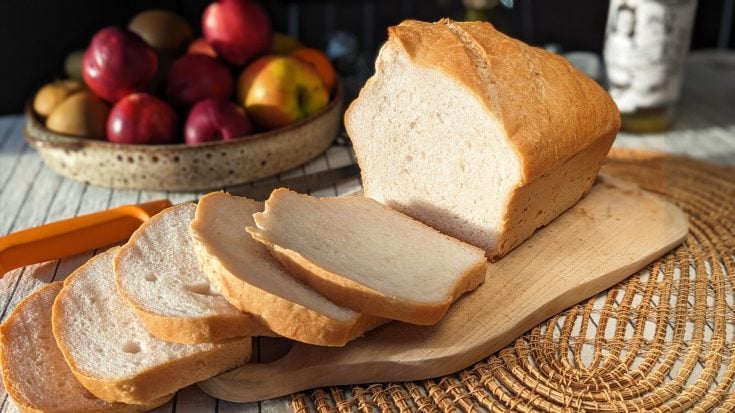

When you are first diagnosed with coeliac disease, you’ll make the switch and remove gluten from your diet completely. Working out the details of your new diet and ensuring you are packing your meals with inventive and delicious ingredients that don’t trigger the symptoms of coeliac disease is important. You don’t want to get accidentally glutened! In the modern world there has been an advancement in the quality and range of gluten free food in recent years, especially in the realm of gluten free bread.
This makes a massive difference if you love bread and have recently been diagnosed with coeliac disease. It’s a weight off your shoulders to know there is plenty for you to try out. What makes a great gluten free loaf though?
What makes a great gluten free loaf?
There are a few key aspects that make a good gluten free loaf. There must be a good blend to replicate the structure and elasticity of a traditional loaf, without the gluten. A combination of gluten free flours is a good approach to this, incorporating whole-grain flours like buckwheat and amaranth to add protein and structure, with white rice flour, potato starch, and cornstarch offering a lighter and chewier loaf.
Xanthan gum is often used as a binder and substitute for gluten. We would advise that it’s used in moderation to prevent a gummy texture. Other binders, such as psyllium husk powder, allows the dough to rise and hold its shape. Yeast is essential, with some sugar in small amounts to activate it. Baking powder may also give an extra lift and lightness to the texture.
You’ll need a larger volume of water when making gluten free bread, and you can also add to the moisture content with oils and flats to add extra flavour and extend its shelf life. Eggs and egg whites help to provide structure and to bind the ingredients together.
Gluten free bread on prescription
You may be eligible for gluten free products on prescription, and this is an absolute game-changer in transforming the way you think about the food you eat. You can get products such as gluten free bread, white, brown, seeded, and long-life bread, gluten free flour to make your own bread at home, and many other gluten free products. A prescription allows you to have peace of mind that what you are eating is definitely free from gluten. It also gives you the chance to find the right gluten free loaf for you in terms of flavour and texture.
There is good gluten free bread out there, you just need to sample your way through to find the one you like the most!
On your quest to discover the best gluten free bread, you’ll no doubt come across some of the worst and best. A flavourless, cardboard texture is not what you want to chew on when you’re having your morning toast, and even a stack of juicy fillings can’t save a sandwich made with terrible gluten free bread. Thankfully, things have gotten much better in recent years, and there are now some outstanding options of fresh gluten free-bread, gluten free flours to make amazing gluten free bread from scratch at home, and even long-life bread to suit a person with coeliac.
