

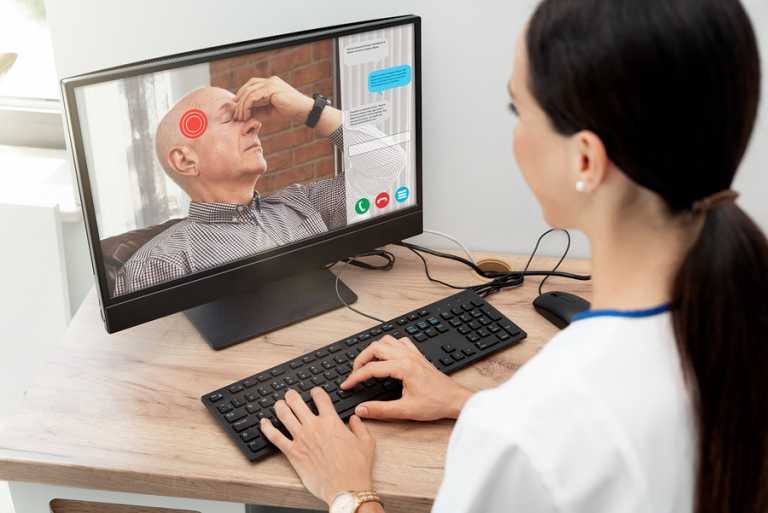
prescriptions online make it easier for people to access traditional medications. There are fewer clinic visits, waiting rooms, and pharmacy trips. Any location with internet access can renew medications through digital platforms. Electronic prescriptions are sent to pharmacies after doctors approve them remotely.
Time savings explained
NextClinic reduces prescription renewal time substantially. Standard clinic methods require appointment booking, which takes days or weeks based on the doctor’s availability. Patients drive to medical offices and commonly wait beyond scheduled times. Consultations last 10 to 15 minutes, then patients drive again to pharmacies. Digital services shorten this timeline considerably. Bookings happen within hours. Consultations occur at home without travel. The complete sequence from booking to pharmacy-ready script takes one to two hours. Workers handle medication requirements during breaks rather than missing half-day shifts.
Accessibility for patients
Distance becomes irrelevant with online prescription platforms. Country residents living hours from doctors consult city-based physicians easily. Remote towns with sparse medical resources get equal access to metropolitan areas. People on islands or in outback regions skip daylong trips for simple renewals. Movement difficulties cause fewer complications. Older adults who avoid difficult journeys stay home. Wheelchair users bypass hard-to-navigate buildings. Surgical recovery patients and those with chronic pain remain comfortable at home.
Reduced travel needs
Skipping clinic and pharmacy journeys creates practical gains:
- Zero fuel expenses or bus tickets
- No parking charges at medical buildings
- No time lost in traffic jams
- No babysitter costs for appointments
- No catching illnesses from sick people in waiting areas
Parents appreciate avoiding dragging kids to appointments for routine refills. Employed people value keeping work hours intact. These benefits accumulate for anyone taking medicines month after month or quarter after quarter.
Medication continuity maintained
Missing essential medications creates health dangers. Time pressure makes people postpone doctor visits, causing skipped doses. Online services prevent supply gaps. Same-day bookings mean patients keep taking vital heart tablets, sugar pills, or blood pressure drugs without interruption. Electronic systems eliminate lost paper scripts. Physical prescriptions get misplaced, wet, or forgotten at home before pharmacy visits. Digital codes sent by text stay on phones. Account records let patients retrieve prescription information anytime.
Some medicines carry awkward social associations that make public visits uncomfortable. Brain chemistry drugs, bedroom performance pills, and body chemistry treatments feel embarrassing in crowded waiting rooms. Home appointments deliver total privacy without bumping into neighbours or workmates. The private setup suits people handling delicate health matters. Workers getting stress medicines avoid workplace questions about absences. Young people wanting birth control speak openly from home.
After-hours availability
Traditional medical clinics operate during business hours on weekdays. Most close by 5 pm and remain shut on weekends. This timing conflicts with work schedules and leaves gaps when people discover empty medication bottles. Online prescription services run 24 hours a day, including Saturdays, Sundays, and public holidays. Patients book consultations at 9 pm on Tuesday or 6 am on Sunday. Night shift workers access doctors during their waking hours. Parents handle prescription needs after the children sleep. This round-the-clock access prevents medication gaps that occur when pharmacies close.
Online prescription systems save time, widen access, cut travel, protect medicine supply, and offer privacy. People manage routine medication easily without clinic visit complications. The approach works particularly well for stable ongoing treatments needing regular refills. Digital prescribing has simplified medication management for many countries with long-term health conditions.
