
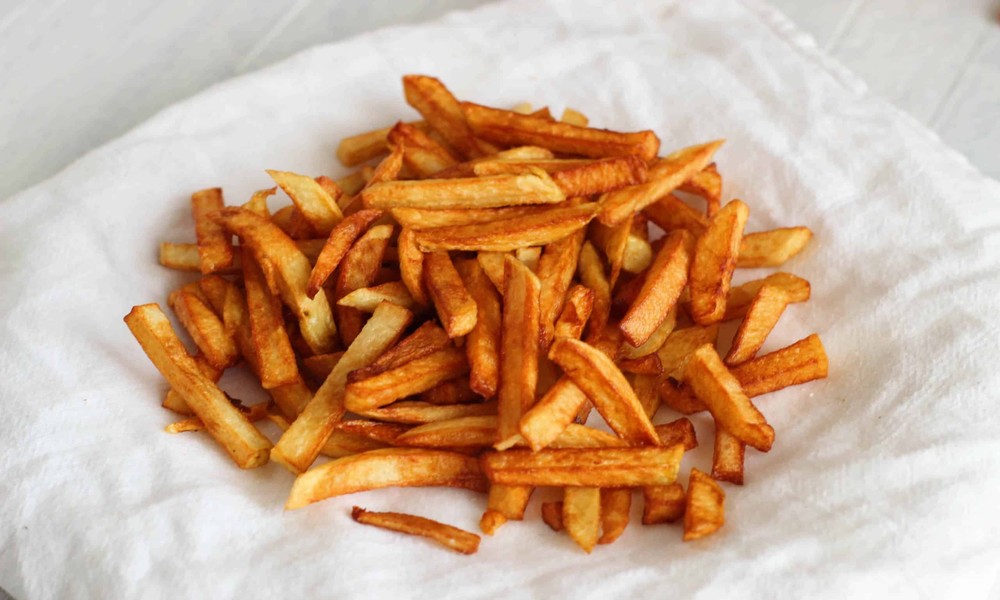

Growing awareness around food ingredients has led to increased scrutiny of what goes into everyday products. Many consumers have become more conscious of additives, processing methods, and cooking oils used in packaged and restaurant foods. One major area of focus has been the type of fats and oils used in frying, particularly in relation to both health and flavor, including growing interest in options such as tallow fries.
This article explores beef tallow french fries and the reasoning behind choosing beef tallow as a frying fat, the concerns associated with commonly used vegetable oils, and the balance between nutrition, stability, and taste in fried foods.
Concerns About Modern Food Processing and Ingredients
Many processed foods today contain additional ingredients designed to extend shelf life, enhance flavor, and reduce production costs. While these ingredients can improve convenience and consistency, they have also raised questions about overall food quality and long-term health effects.
At the same time, oils used in frying have come under increasing scrutiny. For many years, vegetable oils were widely promoted as healthier alternatives, but recent discussions have highlighted potential concerns when they are used in high-temperature cooking.
Understanding Vegetable Oils and Their Limitations
Vegetable oils such as canola, soybean, and sunflower oil are commonly used in frying due to their affordability and availability. However, they are rich in omega-6 fatty acids, which require balance with omega-3 intake in the human diet.
When consumed in excess, a high omega-6 to omega-3 ratio may contribute to an imbalance in dietary fats. This imbalance has been associated in some research discussions with inflammation and related health concerns over time.
High-Heat Cooking and Oil Stability
Another important factor in frying is how oils behave under high temperatures. Polyunsaturated fats found in many vegetable oils can break down when repeatedly heated, producing oxidation byproducts.
One compound of concern discussed in food science is 4-hydroxynonenal (HNE), which forms when certain fats degrade during high-heat cooking. Repeated use of frying oil, a common practice in food service settings, may further increase the formation of such compounds.
While research continues to examine these effects, oil stability remains a key consideration in selecting fats for frying applications.
Acrylamide Formation in Fried Foods
Acrylamide is another compound that can form in starchy foods cooked at high temperatures, including fried and baked products. It develops through natural reactions between sugars and amino acids during cooking.
Scientific agencies have studied acrylamide for many years, and it has been identified as a potential health concern at high exposure levels. Although it occurs in a wide range of foods, including coffee and baked goods, its presence in fried foods has drawn particular attention.
Research suggests that cooking methods and the type of fat used may influence the level of acrylamide formation, with more stable fats potentially reducing its formation compared to less stable oils.
Why Beef Tallow Was Selected as a Frying Fat
Beef tallow is a rendered animal fat that is primarily composed of saturated fats. Unlike many unsaturated vegetable oils, saturated fats are more stable at high cooking temperatures.
This stability means that beef tallow is less prone to oxidation during frying, which may reduce the formation of certain harmful compounds associated with oil breakdown. Its chemical structure also allows it to withstand repeated heating more effectively in cooking environments.
Historically, animal fats like tallow were widely used in traditional cooking before the rise of modern industrial seed oils.
Nutritional Profile of Beef Tallow
Beef tallow contains a mixture of fatty acids, with a higher proportion of saturated fat compared to many plant-based oils. It also contains fat-soluble nutrients in small amounts, depending on sourcing and processing.
While saturated fat has long been debated in nutrition science, recent perspectives emphasize a more nuanced understanding of dietary fats as part of overall eating patterns rather than isolated nutrients.
One key advantage of tallow is its stability, which reduces the likelihood of forming oxidation byproducts during high-heat cooking.
Flavor and Culinary Experience
Beyond nutritional considerations, flavor plays a major role in cooking fat selection. Beef tallow provides a distinct, rich taste that enhances the natural flavor of fried foods.
It contributes to a crisp texture and deep savory profile that many associate with traditional-style frying. This flavor profile has historical roots in many cuisines, where animal fats were commonly used for frying and roasting.
For many consumers, the use of tallow creates a more robust and satisfying eating experience compared to neutral vegetable oils.
Balancing Health, Tradition, and Food Quality
The choice of frying fat often involves balancing multiple factors, including health considerations, cooking performance, and taste. Beef tallow represents one approach that prioritizes stability and traditional culinary methods.
While dietary preferences vary widely, some view animal fats as a return to less processed cooking methods that rely on simpler ingredient lists.
In contrast, others may prefer plant-based oils for dietary or ethical reasons, highlighting the diversity of approaches in modern food production.
The Role of Simplicity in Food Preparation
A growing number of consumers are interested in foods with minimal ingredients. Fries made with simple components such as potatoes, salt, and a stable cooking fat reflect this preference for reduced processing.
This approach emphasizes transparency in ingredients and focuses on traditional cooking methods rather than highly modified formulations.
Conclusion: A Return to Traditional Frying Methods
Choosing beef tallow for frying reflects a broader conversation about food quality, ingredient transparency, and cooking stability. While modern vegetable oils remain widely used, alternative fats continue to be explored for their performance in high-heat cooking and their impact on flavor.
Ultimately, the decision highlights a balance between science, culinary tradition, and personal preference. For some, beef tallow offers a way to reconnect with traditional cooking methods while achieving a distinctive taste and texture in fried foods.
