

The demand for high-quality, food-grade palm oil continues to surge across the global food industry, where it is used in everything from snacks and baked goods to margarine and instant noodles. As the industry evolves, palm oil producers are under increasing pressure to deliver oil that meets international food safety standards while maximizing yield and efficiency. One of the most impactful innovations supporting this goal is the continuous sterilizer system—a technological leap in palm oil processing that is transforming how producers approach sterilization. Supported by both modern Palm Oil Machinery Manufacturers and expert Food Processing Equipment Suppliers, these systems are reshaping the future of edible palm oil production.
The Importance of Sterilization in Palm Oil Processing
Sterilization is the first major step in the palm oil milling process. It involves steaming fresh fruit bunches (FFBs) to deactivate enzymes, loosen the fruit from the bunches, and kill microbial contaminants. Traditionally, this has been done using batch sterilizers, where FFBs are loaded into large chambers and processed in cycles that take between 60 to 90 minutes. While effective, batch systems have limitations including inconsistent heat penetration, long processing times, and high labor demands.
Continuous sterilizer systems offer a modern alternative—automated, high-throughput solutions designed for consistency, hygiene, and energy efficiency. These systems not only boost food-grade oil quality but also allow producers to streamline operations and scale production efficiently.
What Is a Continuous Sterilizer System?
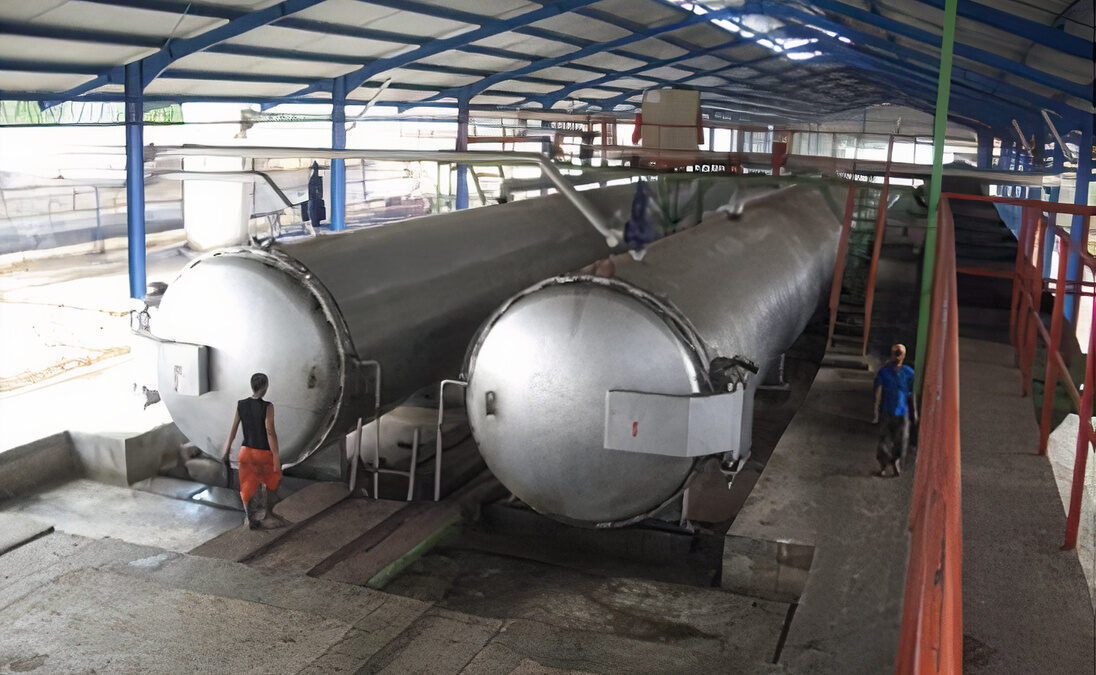
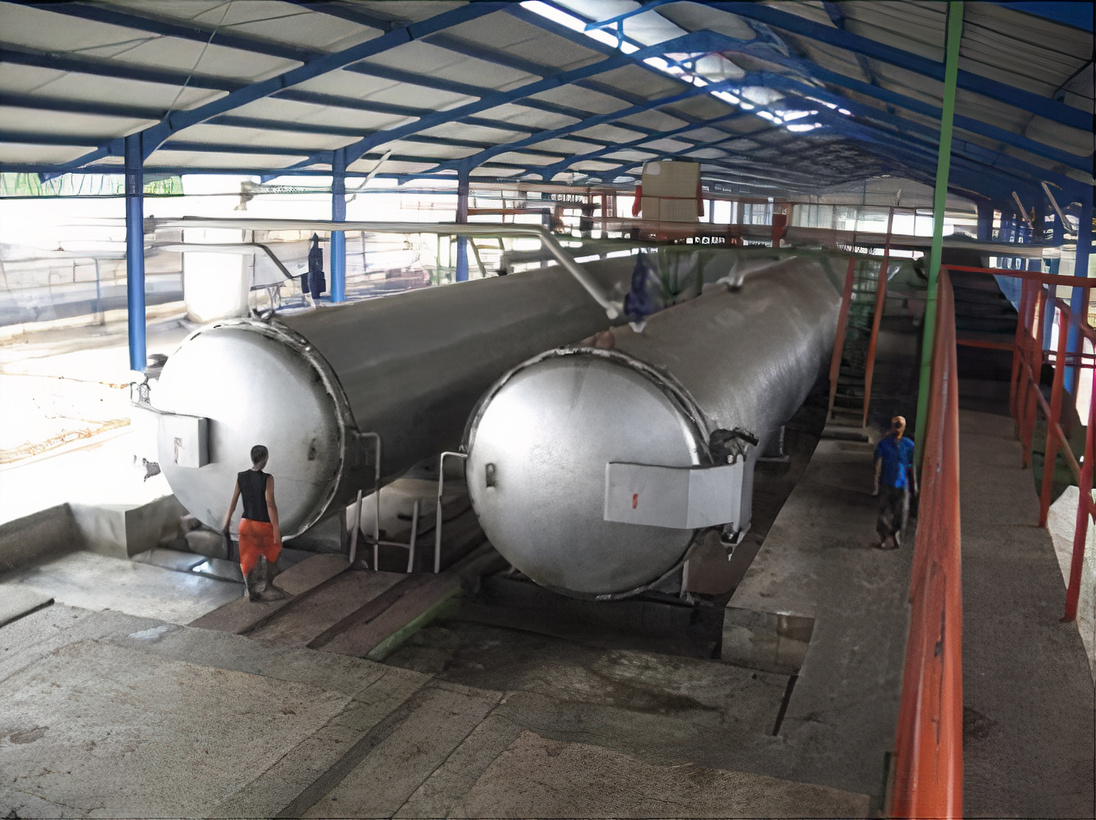
A continuous sterilizer system is a type of palm oil machinery that processes FFBs in a non-stop, automated flow. Unlike batch sterilizers that require manual loading and unloading, continuous systems use conveyors and pressure chambers to move fruit steadily through the sterilization process. Saturated steam is injected at controlled temperatures and pressures to ensure that every bunch receives uniform treatment.
This system reduces the overall sterilization time and improves the efficiency of fruit loosening, leading to more complete oil extraction and better oil quality. The continuous nature of the process also minimizes thermal degradation of the oil, a crucial factor in maintaining its food-grade quality.
Key Benefits of Continuous Sterilizer Systems
Improved Oil Quality
Uniform steam distribution in continuous systems results in better enzyme deactivation and lower free fatty acid (FFA) formation. This leads to a cleaner, more stable crude palm oil that is easier to refine into food-grade oil.
Higher Oil Extraction Rates
Continuous sterilization softens fruit more effectively than batch systems, which improves the oil expulsion process. This results in a higher overall yield, directly benefiting profitability.
Energy and Water Efficiency
Modern continuous systems are designed with heat recovery and water recirculation features, reducing steam and water consumption compared to traditional sterilizers. This not only cuts operational costs but also supports sustainability goals.
Automation and Labor Reduction
Continuous sterilizers are fully automated, minimizing the need for manual labor. Real-time monitoring systems control temperature, pressure, and throughput, ensuring a consistent and safe process.
Scalability for Industrial Production
For large-scale palm oil operations, especially those serving food-grade markets, continuous sterilizer systems offer higher throughput and uninterrupted processing—key to meeting growing market demand.
Integration with Modern Food Processing Infrastructure
Continuous sterilizer systems are not standalone machines—they are typically integrated into comprehensive palm oil processing lines, linking seamlessly with threshing, pressing, clarification, and refining units. This level of integration is made possible through the collaboration between Palm Oil Machinery Manufacturers and Food Processing Equipment Suppliers, who work together to design holistic systems that meet both technical and food safety requirements.
Food-grade palm oil destined for human consumption must be processed under strict hygienic conditions. Continuous sterilizer systems, built with food-grade materials like stainless steel and equipped with CIP (clean-in-place) features, ensure compliance with HACCP and ISO 22000 standards.
Role of Palm Oil Machinery Manufacturers
The shift toward continuous sterilization has been driven by innovation from leading Palm Oil Machinery Manufacturers. These companies offer end-to-end engineering solutions, from equipment design and automation to installation and after-sales support. Key contributions include:
Customizable sterilizer designs for varying mill sizes
Automation systems with temperature and pressure control
Energy-saving features such as steam condensate recovery
Operator training for safe and efficient system use
By supplying scalable and reliable technology, manufacturers enable palm oil mills to meet food-grade production demands efficiently and sustainably.
Role of Food Processing Equipment Suppliers
As the bridge between raw material processing and food production, Food Processing Equipment Suppliers play a crucial role in integrating sterilization systems into the broader food manufacturing supply chain. They help ensure that the quality of palm oil processed upstream is preserved during storage, transfer, and further refinement.
Suppliers often provide:
Stainless steel oil storage tanks and transfer pipelines
Inline filtration and temperature control systems
Oil quality testing and monitoring equipment
Turnkey refinery systems tailored for food-grade palm oil
With their support, food manufacturers can receive oil that is ready for use in high-quality snacks, baked goods, and cooking oils.
Driving a Sustainable and Competitive Future
Continuous sterilizer systems not only boost performance and product quality—they also support sustainability goals. By reducing water and energy usage, lowering emissions, and minimizing waste, these systems align with the environmental standards demanded by today’s global food brands and consumers.
Additionally, the adoption of these systems helps palm oil producers qualify for certifications such as RSPO (Roundtable on Sustainable Palm Oil) and ISCC (International Sustainability and Carbon Certification), opening doors to premium markets worldwide.
Conclusion
Continuous sterilizer systems represent a game-changing advancement in palm oil processing, especially for producers focused on food-grade markets. By offering better oil quality, higher efficiency, and improved sustainability, these systems are essential for modern palm oil mills.
Thanks to the combined expertise of Palm Oil Machinery Manufacturers and Food Processing Equipment Suppliers, the industry is equipped to meet rising consumer demand with confidence, consistency, and compliance. As the food industry continues to grow, so does the importance of high-quality palm oil—and continuous sterilization is paving the way forward.
