
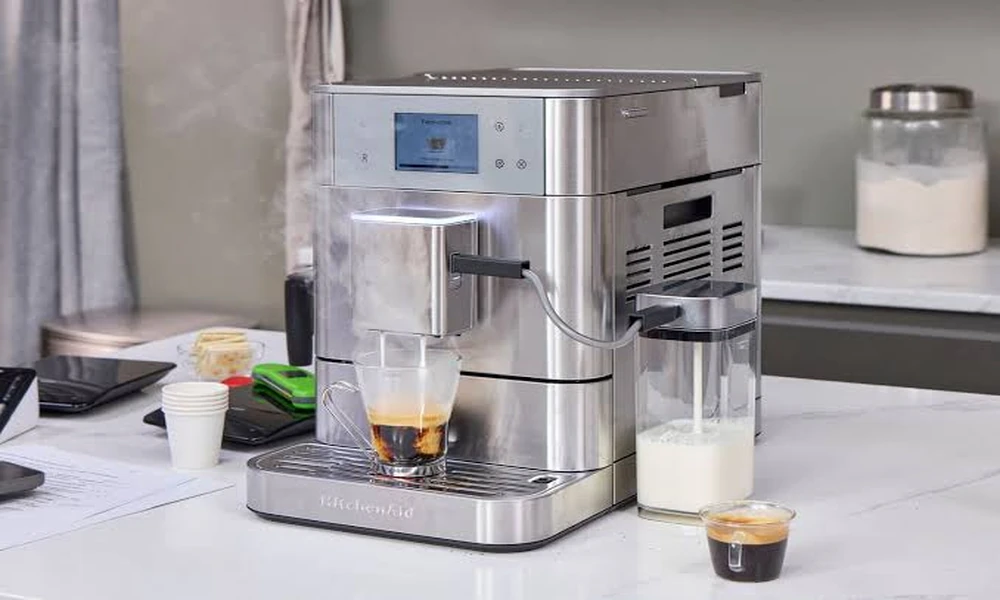

Most offices assume that upgrading the pantry coffee setup means choosing between an instant machine and hiring a barista, but that framing skips the option that actually solves the problem for most teams. A fully automatic coffee machine singapore offices are increasingly installing grinds beans fresh for every cup, steams milk on demand and cleans its own brewing group between uses, closing the gap between café quality and self-service convenience without needing anyone on staff trained to operate it.
What ‘Fully Automatic’ Actually Means
The term covers machines that handle grinding, dosing, tamping, extraction and milk texturing internally, triggered by a single button press. This differs from semi-automatic units, which still require someone to grind, dose and tamp manually before extraction starts. In an office setting, that distinction determines whether the machine can be used reliably by anyone in the building or only by someone who has been shown the correct technique.
Why Offices Are Moving Away from Pod and Instant Machines
Pod machines solve consistency but create ongoing waste and per-cup costs that scale badly once usage climbs past a certain headcount. Instant powder solves cost but rarely satisfies staff who are used to proper coffee outside the office. A fully automatic unit sits between the two, using whole beans ground per cup, which keeps flavour closer to café standard while still costing less per serving than pods at moderate to high volumes.
Throughput and Volume Considerations
Bean hopper capacity, water tank size and brew group speed all determine how the machine copes with a queue forming before a 9am meeting. Entry-level units brew one cup at a time and can bottleneck a team of more than fifteen, while commercial-grade models with larger hoppers and faster extraction cycles handle back-to-back orders without a noticeable wait. Matching the machine’s rated output to actual headcount avoids both overspending and frustration. Peak demand windows around opening time and after lunch are the real stress test, not average daily use.
Milk Handling and Drink Variety
Built-in milk frothers vary considerably in how they handle temperature and texture, and refrigerated milk systems reduce the manual top-ups that otherwise fall to whoever is nearest the machine. Machines with programmable drink menus let staff select a flat white or cappuccino at the same standard each time, which matters more for consistency than most buyers expect until the machine is actually in daily use. Plant-based milk compatibility is also worth checking, since dairy alternatives behave differently under steam pressure.
Maintenance Built Into the Machine
Automatic rinse and descaling cycles run without staff intervention, and many units flag when beans or water are low rather than failing silently mid-morning. This self-maintenance is what keeps a self-cleaning automatic coffee machine viable in a shared office, where no one is formally responsible for its upkeep and a machine that needs manual descaling every week will simply stop being cleaned.
Noise and Everyday Workplace Impact
Grinding and steaming generate audible noise each time the machine runs, which matters more in an open-plan office near meeting rooms than in a separate pantry. Some models offer a quieter grinding mode at a slight speed cost, a worthwhile trade-off for offices where the machine sits close to workstations rather than tucked away behind a closed door.
Placement and Space Planning
These machines need a stable water supply or a large enough internal tank, adequate counter depth for bean hoppers and waste containers, and clearance for maintenance access. Offices that retrofit a machine into a small pantry corner without planning for waste puck removal or tank refilling often end up with a workflow bottleneck that undermines the convenience the machine was bought for. A direct plumbed water line removes the need for manual tank refilling altogether in higher-traffic locations.
Comparing Rental and Purchase Models
Renting shifts servicing and eventual replacement onto the supplier, which suits offices that would rather budget a fixed monthly cost than manage repairs internally. Purchasing suits businesses confident in stable, long-term usage and willing to arrange their own servicing contract. Neither option is inherently better; the right choice depends on how predictable the office’s coffee demand is expected to be over the following two to three years. Relocating offices or expanding headcount within that window is another factor worth weighing before committing.
Cost Per Cup in Practice
Once bean cost, water, descaling supplies and any service contract are factored in, a well-used fully automatic machine typically lands well below pod-based alternatives per serving, though the gap narrows at very low usage volumes where fixed costs dominate. Businesses evaluating the switch should calculate against realistic daily cup counts rather than headcount alone, since actual consumption is usually lower than headcount would suggest.
Choosing the Right Machine for Your Business
Start from expected daily cup volume, then work backwards to hopper size, brew speed and milk system rather than choosing on price or appearance first. Businesses with fluctuating headcount or uncertain long-term office plans are usually better served by a rental arrangement, while stable, established teams often find purchase more economical over several years. Either way, a fully automatic coffee machine singapore sized correctly for the team using it will outperform a cheaper unit that struggles under real daily demand.
